
Ledger®® Live: Desktop® — Getting Started | official Ledger™
Use Ledger Live Desktop to connect your Ledger device, view account details, monitor digital assets, and manage supported crypto activity.
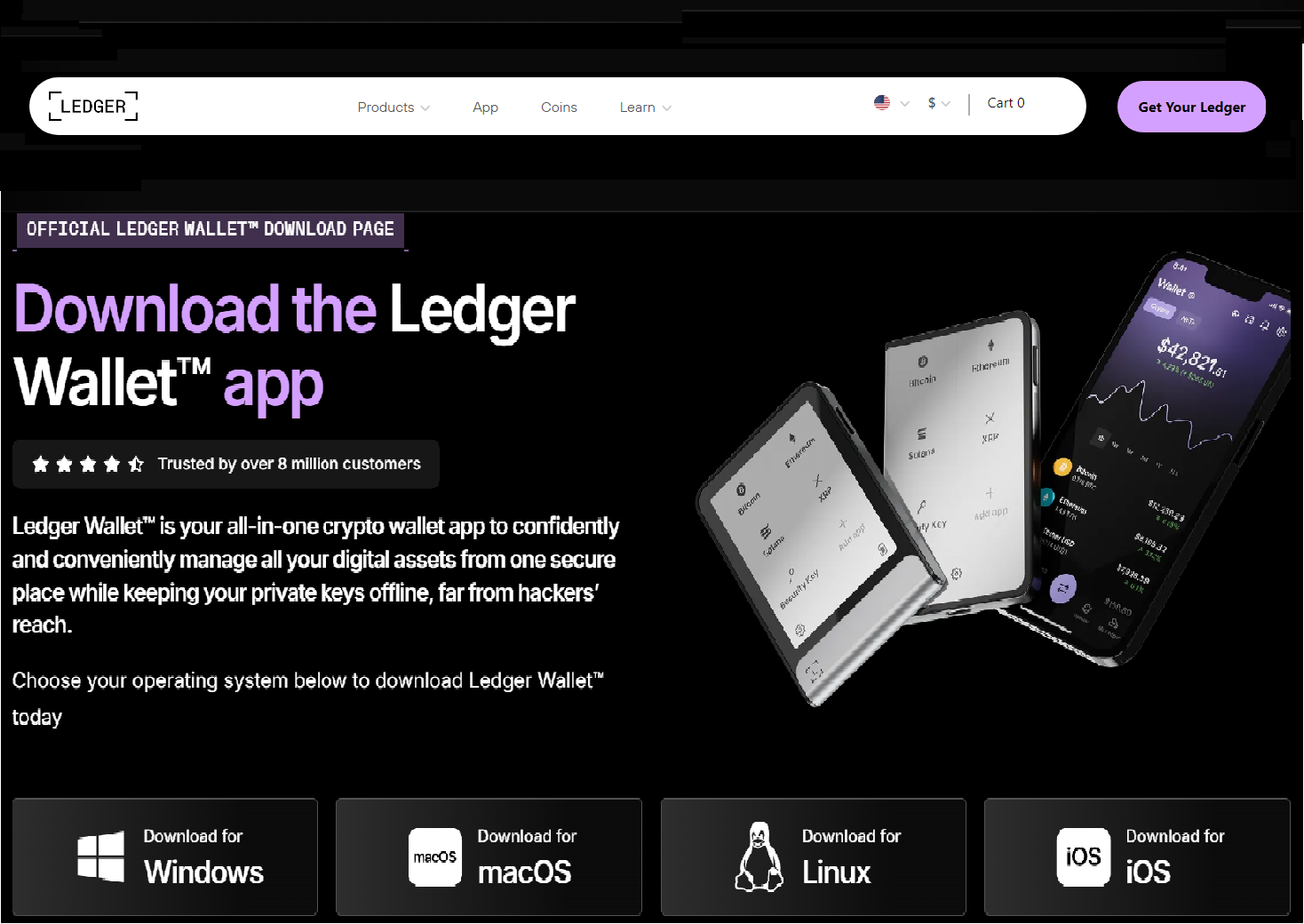
Ledger Live Desktop: Essential Tips for a Safer and More Organized Wallet Experience
A desktop environment can make cryptocurrency management feel easier to organize, particularly for users who prefer working from a larger computer screen. When using Ledger Live Desktop, however, convenience should be combined with careful security practices. A thoughtful workflow can help beginners understand wallet management without making the process unnecessarily complicated.
Begin With the Official Software Source
The first step is making sure you are working with legitimate wallet software. Avoid downloading applications from unofficial websites, unknown file-sharing pages, or links sent through unexpected messages.
Before installing anything, independently verify the source and be cautious of websites that imitate familiar wallet branding.
Connect Your Wallet With Care
When you are ready to use Ledger Live Desktop, connect your hardware wallet in a private environment. Pay attention to instructions presented by the application and information displayed on the physical device.
Do not approve an action merely because a computer prompt appears to request it.
Learn the Main Dashboard Concepts
New users should first become comfortable with basic information such as accounts, assets, balances, and transaction history. Understanding these elements provides a foundation for more advanced wallet activities.
Take time to explore gradually rather than changing settings or attempting unfamiliar operations without understanding their purpose.
Make Verification Part of Every Transfer
Before sending crypto, create a short verification routine. Confirm:
- the intended cryptocurrency;
- the recipient address;
- the network;
- the amount;
- any applicable transaction fee;
- the confirmation details shown during approval.
This process may take only a few moments, but it encourages more deliberate transaction management.
Protect Recovery Information
Your recovery information should never be entered into Ledger Live Desktop or another website simply because a message tells you to do so. Keep it private and avoid storing it digitally where it could be easily exposed.
A person claiming to be customer support should not need your confidential recovery information to provide ordinary assistance.
Be Careful With Unexpected Messages
Phishing attempts may use urgent language to persuade users to act quickly. A message might claim that an account requires immediate verification or that a wallet will be disabled unless a link is opened.
Instead of following the message, independently navigate to a trusted official source and verify the situation.
Keep Your Desktop Environment Organized
Use a computer that you regularly maintain and keep your wallet-related activities separate from questionable websites or downloads. Avoid installing unknown applications simply because they claim to improve wallet functionality.
A clean and controlled environment can make it easier to recognize unusual activity.
Develop Long-Term Habits
Safe wallet management is an ongoing process. Continue checking transaction information, protecting private details, and verifying software sources whenever you interact with your wallet.
Conclusion
Ledger Live Desktop can be a convenient environment for managing cryptocurrency through a computer, but the quality of the experience also depends on how carefully the user approaches each action.
Start with legitimate software, understand the basic account workflow, protect recovery information, and verify every important transaction before approval. These simple habits can make everyday desktop wallet management more structured and easier to understand.
Updated about 3 hours ago